

It seems backwards: it’s 92 degrees outside and there’s ice on your air conditioner. But an AC frozen coil is one of the most common service calls we get in Southwest Florida, and it’s always a sign that something else is wrong.
What a Frozen Coil Looks Like
The evaporator coil sits inside your air handler, usually in the garage, a closet or the attic. When it freezes, you may notice:
- Frost or ice on the larger copper refrigerant line running to the outdoor unit
- Weak airflow from the vents, even though the system is running
- Water dripping or pooling near the indoor unit as ice melts
- A house that slowly gets warmer through the afternoon
What Causes an AC Coil to Freeze?
Restricted Airflow
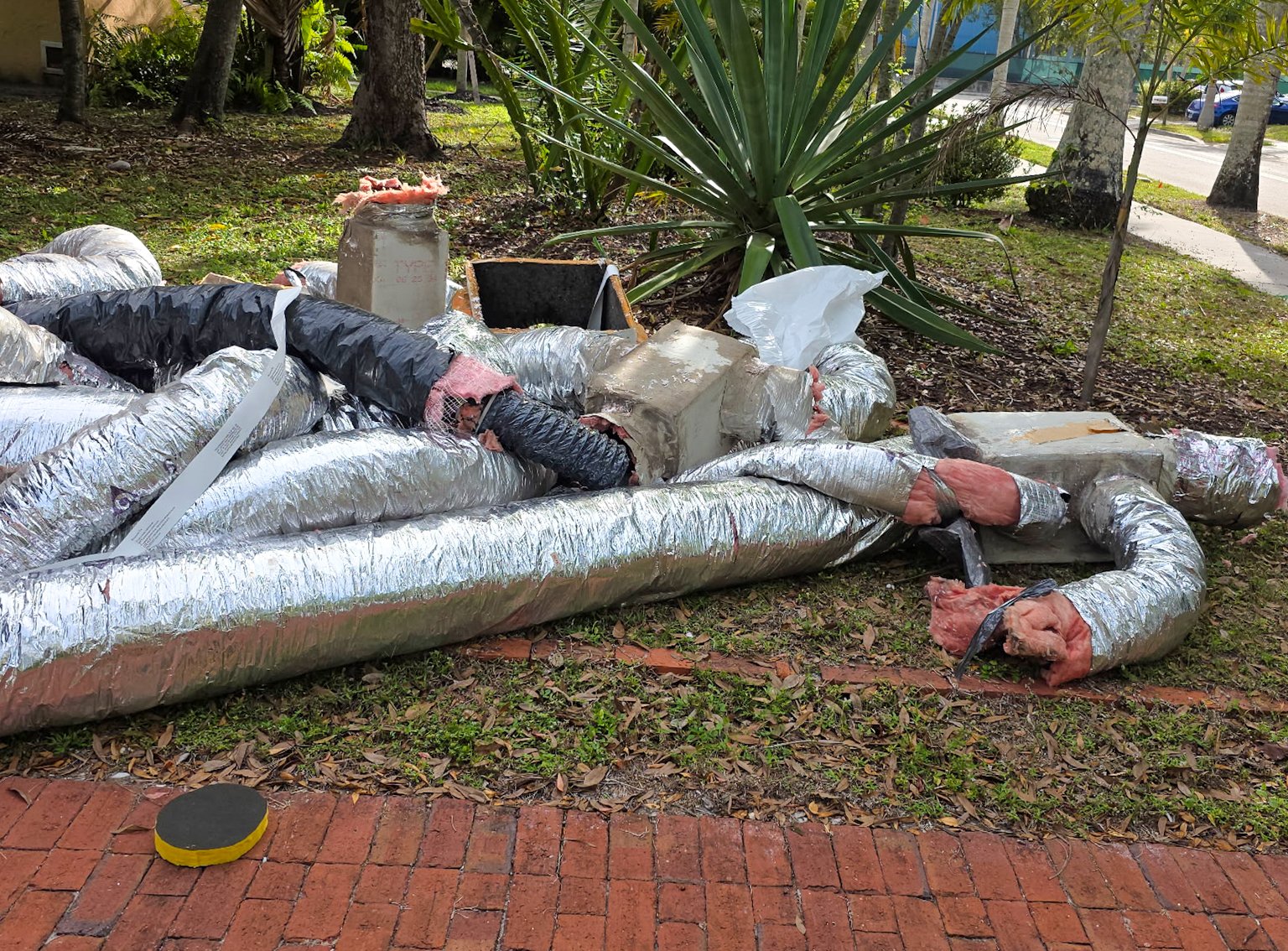
Your coil needs a steady stream of warm household air moving across it. When airflow drops, the coil gets too cold and the moisture on it turns to ice. The usual culprits are a dirty air filter, closed or blocked supply vents, a dirty coil, or a failing blower motor. Undersized or leaking ductwork can also starve the coil of air. Learn more about how duct replacement fixes airflow problems.
Low Refrigerant
When refrigerant is low from a leak, pressure in the coil drops, and so does its temperature, often below freezing. The system ends up running longer and cooling less. A leak needs to be located and repaired by a licensed technician before the system is recharged.
A Dirty Evaporator Coil
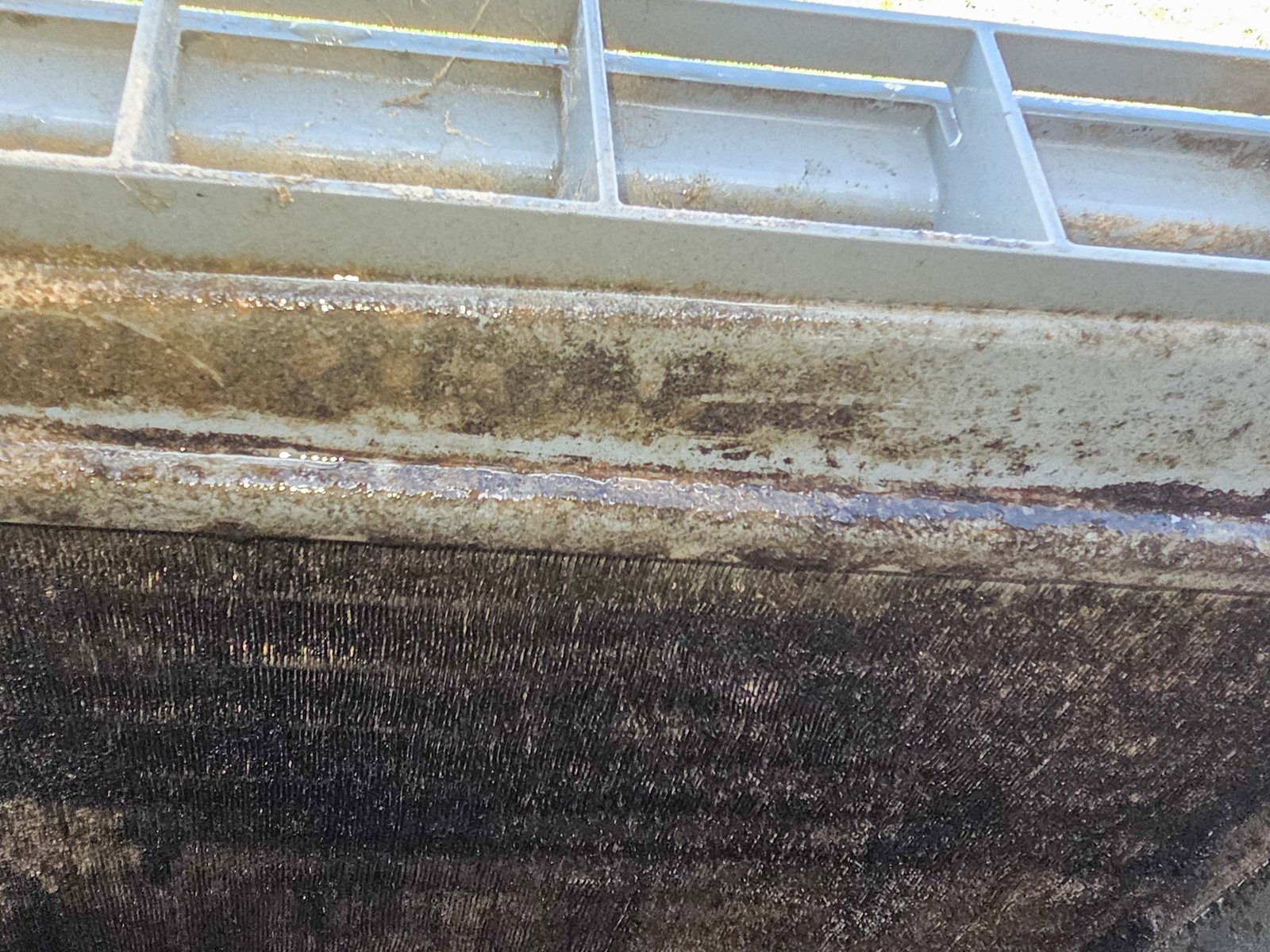
Dust that gets past the filter sticks to the wet coil and builds up into a layer that insulates it. That reduces heat transfer and airflow at the same time. In Florida’s humidity, coils can also grow mold and algae. A thorough coil cleaning is part of every maintenance plan visit we do.
Running the AC When It’s Cool Outside
Setting the thermostat very low on a mild night, especially below about 65 degrees, can let the coil drop below freezing. It’s less common here than up north, but it happens during cooler winter stretches.
How to Safely Thaw a Frozen AC
- Turn the cooling off at the thermostat. Running a frozen system can push liquid refrigerant back to the compressor and damage it.
- Turn the fan to “On.” Blowing room air across the coil speeds up thawing.
- Replace the air filter if it’s dirty.
- Watch the drain pan. A lot of water comes off a frozen coil. Put towels down and make sure the condensate line is draining.
- Wait. A fully frozen coil can take several hours to thaw. Don’t chip at the ice; the coil fins are easy to damage.
Once it’s thawed, switch back to cooling. If it freezes again within a day or two, the root cause hasn’t been fixed.
When to Call a Technician
A new filter sometimes solves the problem. Call for service if the coil freezes again, if you see ice on the outdoor unit or lines, if airflow is weak even with a clean filter, or if your system is more than 10 years old and has frozen more than once. Repeated freezing puts real strain on the compressor.
Our technicians check airflow, refrigerant charge, coil condition and the blower to find out why it froze, and we’ll tell you honestly whether it’s a simple fix. See our AC repair & service page, or read why an AC runs but doesn’t cool.
Frequently Asked Questions
Can a frozen AC fix itself?
The ice will melt if you turn the cooling off, but the cause will still be there. Unless the problem was just a dirty filter, it will usually freeze again.
Is it dangerous to run an AC with a frozen coil?
It can be harmful to the system. Running it frozen risks damaging the compressor and can cause water damage when the ice melts.
How long does it take to thaw a frozen AC?
Typically one to several hours with the cooling off and the fan on, depending on how much ice has built up.
Ice on your AC? Call Family First Cooling & Heating 24/7 at (239) 227-8811 or request service online.